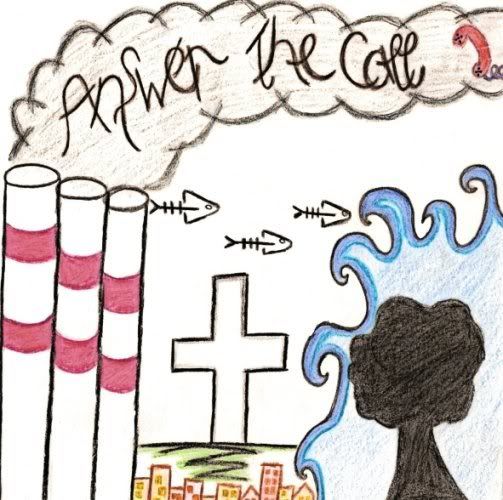
Global Warming
is the increase in the average temperature of the
Earth's near surface air and oceans in recent decades and its projected continuation .
Climate changes both because of its internal varialibity and because of
external factors induced both by nature and human.
The effects of global warming
An increase in global temperatures can in turn cause other changes ,
including
-- sea level rise
-- floods and drought
-- extreme weather events
-- species extinction

Global warming –Conclusion
The earth’s climate has changed over the last century due to human activities. Evolving computer models are predicting that, due to the greenhouse gas emissions, temperatures would continue to rise over the 21st century, making a big impact on both nature and humankind positively and negatively. The impacts may vary among the different regions, but it has not been
predicted accurately yet, especially for the small-scale areas. Ground Cracking -- 1st sign of global warming

However, it is expected that:
1. The more the greenhouse gases are emitted, the higher the tendency for the earth to get warmer,
2. The greater and faster the warming, the more the adverse the effects will dominate,
3. The higher the possibility, although probably remote, of large-scale and possibly irreversible impacts.
Therefore, although an acceptable level for the greenhouse gases has not yet been determined, reducing emissions should reduce the risk of adverse effects. Many options for emissions reductions are available. The costs need to be balanced with the risks left for future generations.
Hazards of the living world:
Hazards encountered in the sphere of the plant and animal life include fire, disease and infestations. Fire are encouraged by drought or caused by lightning can destroy the habits of plants and animals, sweeping over human settlements.
Air pollution:
It is a major problem in many cities. Reason being many industrializing countries depend very heavily on coal as a fuel in resulting of air pollution.
Air pollution comes from a variety of sources:
-Deforestation and soil erosion around the cities creates dust
-Exhaust fumes from cars
-Heavy industries such as oil refining
-Inadequate refuse and sewage disposal
Factories-- causing air pollution

The Human Impact
It is estimated that people now intensively use 55 percent of the Earth’s land surface and 30 percent is partly modified. Only 15 percent is untouched or slightly modified.
Deforestation and erosion
Deforestation has been taking place for thousands of years all over the world. In southern Asia 9,000 years of deforestation have removed two-thirds of the forest, parts of china that once was forested had no longer any trees left.
In the African tropics three-quarters of the moist forest has been cleared over the past 3,000 years. Today as much as 12 million hectares (30 million acres) of forest are cleared from the Earth every year.
Bringing land under cultivation can have indirect effects that are just as striking and have even greater impact on environments. Without plants to hold the soil in place, the amount of soil
removed by erosion may increase by ten times or more.
Bringing land under cultivation can have indirect effects that are just as striking and have even greater impact on environments. Withut plants to hold the soil in place, the amount of soil removed by erosion may increase by ten times or more.
Indirect impacts
The extraction of oil, water, coal and other minerals underground can cause the surface above to subside.